Writing for sensitive industries: Trust beats hype
Aesthetics, health care, security. When the stakes are personal, the usual marketing playbook backfires.
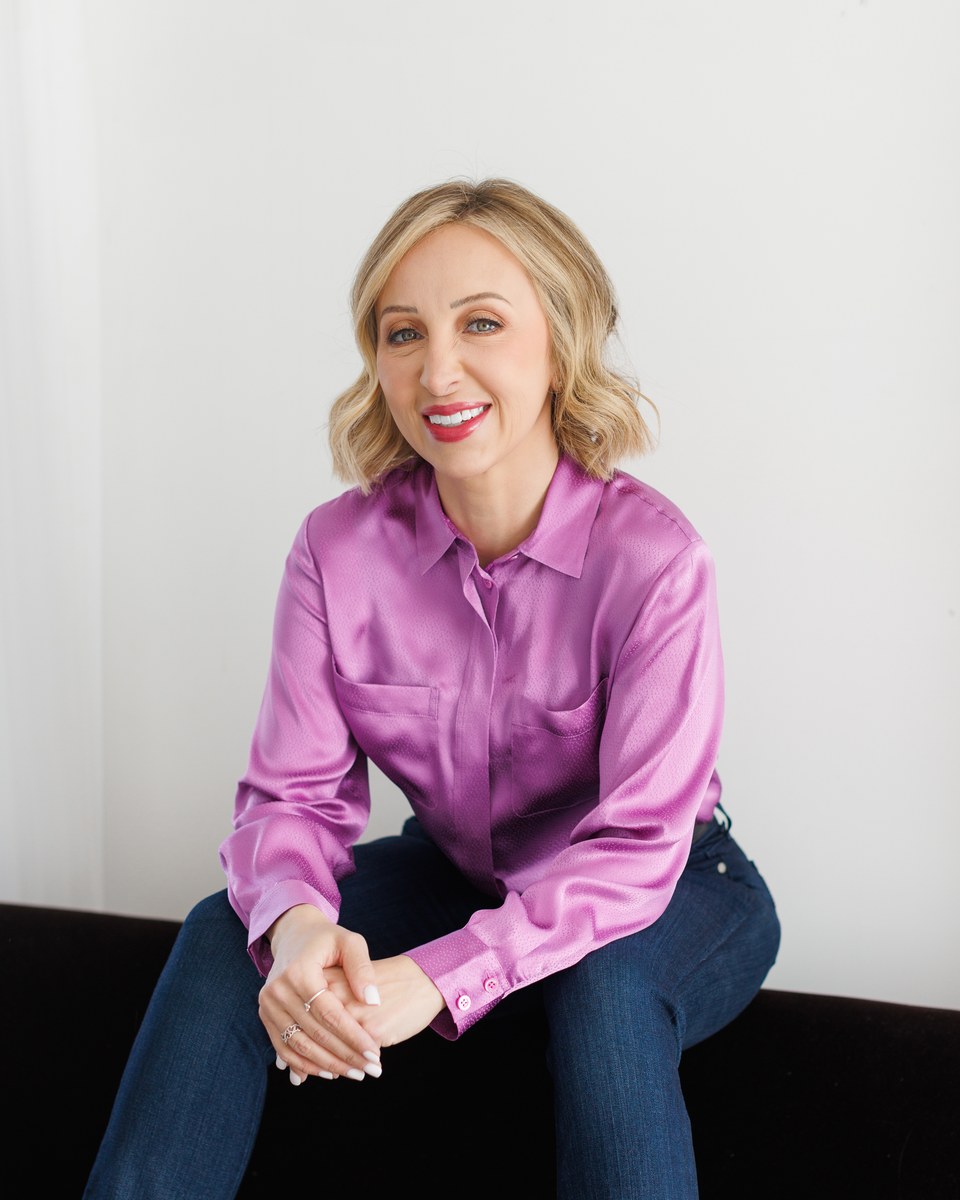
I lead marketing at Adoreal, and our clients are plastic surgery practices in the U.S., the U.K., Sweden and Switzerland. Before that, I worked on copy for a cybersecurity company. Those don't sound like they have much in common. In copy terms, they do.
In both, the reader is nervous. They're about to trust someone with something that matters a lot to them: their body or their company's data. Hype doesn't calm that down. It makes it worse.
The usual tricks don't work here
Urgency, big promises, flashy before-and-after photos with no context: These are the moves that make a cautious reader close the tab. In aesthetics, many of them also run into real advertising rules.
What works is the opposite: calm, specific, honest copy that answers the questions people are embarrassed to ask.
Countdown timers and "limited-time" offers can push a quick purchase, but a patient considering surgery isn't making a quick purchase. They're researching for weeks or months, comparing surgeons and reading every page twice. Pressure tactics tell that reader you care more about the sale than about them.
What trust sounds like on the page
- Say what the procedure or product actually involves, including the boring parts.
- Be clear about recovery, risks and what results depend on.
- Let credentials and process do the persuading, not adjectives.
- Write like a knowledgeable friend, not a salesperson.
- Never promise an outcome you can't control.
Being upfront about the hard parts feels risky to some clients. In my experience, it does the opposite. Readers already suspect there's a catch. When you name it first, you earn credibility that no amount of polished copy can buy.
“Hype doesn't calm a nervous reader down. It makes it worse.”
Answer the questions people won't ask out loud
In sensitive categories, the most important questions often never reach a contact form. How much pain is normal? What happens if I don't like the result? Will anyone be able to tell? How much does it really cost?
Good copy answers those questions before the reader has to ask. FAQ sections, recovery timelines and plain explanations of the consultation process all lower the barrier to that first call. The same was true in security, where buyers wanted to know what would happen during an incident before they ever talked to sales.
Every market reads differently
Writing for practices in four countries teaches you fast that "trustworthy" isn't one tone. What feels reassuring in the U.S. can feel pushy in Sweden. Regulations differ. Expectations about how a doctor talks about their work differ.
So the brand voice holds steady, but the delivery flexes for each market. My team spans several regions, and their local instincts catch things I'd miss.

Compliance is a writing skill
Many writers treat legal review as the enemy. In sensitive industries, knowing the rules is part of the craft. When you understand what you can't say, you get much better at finding what you can say and saying it well.
That knowledge also speeds everything up. Copy written with the rules in mind clears review faster, which means fewer rounds of edits and quicker launches. My team keeps clear guidance on regulated claims, so writers don't have to guess.
Let real people carry the proof
In sensitive categories, the strongest proof comes from people rather than the brand. Patient stories shared with consent, surgeon credentials and transparent process details all carry more weight than anything a marketer can claim.
The copy's job is to frame that proof clearly and honestly. That means accurate context, no cherry-picked outliers and no implication that one person's result is guaranteed for everyone.
Make the next step feel safe
In sensitive categories, the call to action carries extra weight. "Book now" can feel like a commitment the reader isn't ready to make. A softer, clearer step often converts better: a consultation, a question form or a guide they can read on their own time.
The copy around that step matters as much as the button. Tell readers exactly what happens next, how long it takes and whether there's any cost or obligation. Uncertainty is what stops a nervous reader. Removing it is often the simplest way to improve conversions without adding any pressure.
I also make sure every page offers more than one way to take that step. Some readers want to call. Others would rather send a quick message late at night after they've done their research. Meeting people where they are is part of building trust.
The short version
When the reader is nervous, slow down. Get specific, stay honest about the hard parts and answer the questions people won't ask out loud. Learn the rules well enough to write confidently within them, and let real proof replace hype. Trust converts better than excitement, especially when the stakes are personal.